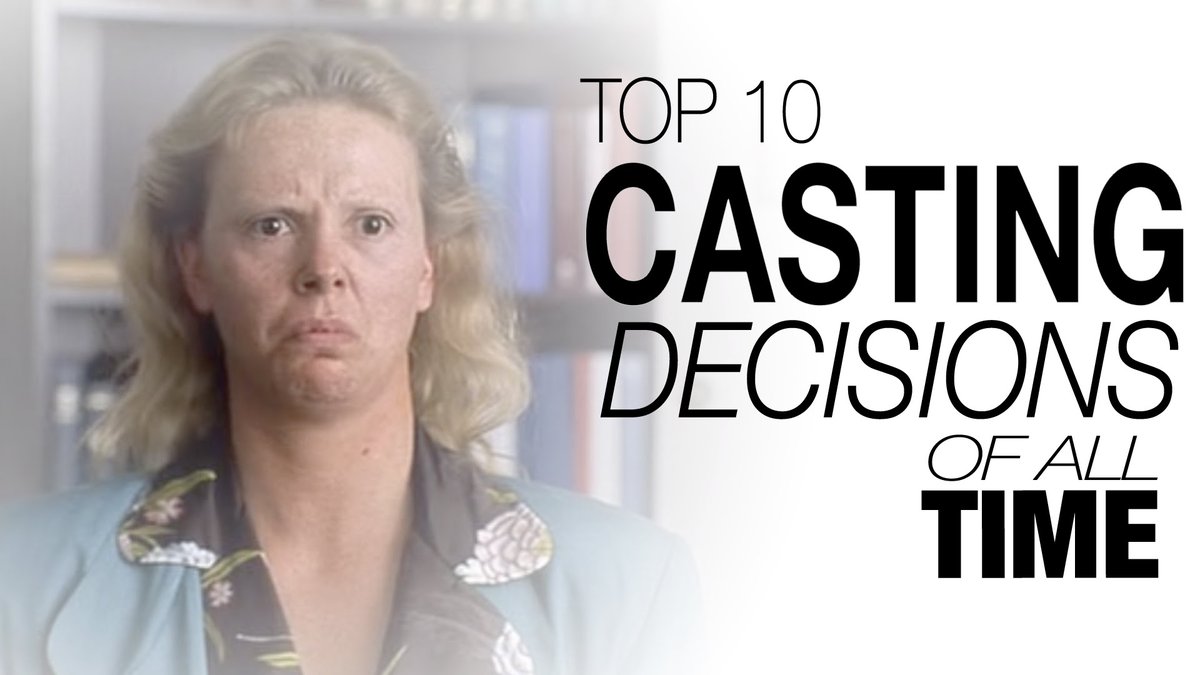
Ever wondered how filmmakers pick the perfect face to bring a beloved character to life, or the intense, often secret process that leads to those iconic performances? The truth is, Casting Decisions and Behind-the-Scenes Stories for the Film are far more intricate, challenging, and even dramatic than most people imagine. It’s not just about finding a good actor; it’s about finding the right actor, the one who embodies the very soul of the story, transforming ink on a page into a living, breathing being on screen. This pivotal and dynamic process is the backbone of storytelling in Hollywood, directly impacting a project's success and leaving an indelible mark on cinematic history.
It's a high-stakes world where intuition meets logistics, where dreams are made and sometimes shattered, and where a single choice can define a film's legacy. From the initial script breakdown to the final contract signing, countless hours are spent ensuring that every role, no matter how small, resonates with authenticity and impact.
At a Glance: Key Takeaways from the World of Film Casting
- Casting Directors are Central: They are the visionaries who bridge the gap between script and screen, understanding nuances and identifying talent.
- A Multi-Stage Journey: The process involves character identification, talent scouting, rigorous evaluations, decision-making, and ongoing cast management.
- Key Players: Beyond the Casting Director, Casting Associates and Assistants play crucial roles in research, pre-screening, and logistical support.
- Actor's Perspective: Actors navigate auditions, competitive callbacks, and complex contract negotiations to land a role.
- Major Challenges: Balancing talent, appearance, chemistry, budget, and availability while navigating ethical dilemmas like diversity, representation, and preventing exploitation.
- Tech Transformation: Self-tapes, social media, and even AI are rapidly changing how talent is discovered, evaluated, and managed.
- Evolving Landscape: The industry is highly competitive, subjective, and constantly adapting to new platforms and social shifts like #MeToo and #OscarsSoWhite.
The Architect of Dreams: What is Film Casting, Really?
At its heart, film casting is the art and science of selecting actors to embody the characters envisioned by filmmakers. It’s more than just a job; it's a critical craft that determines whether a story truly comes alive or falls flat. Think about your favorite film characters – the ones you love, hate, or remember vividly. Their impact almost always stems from a perfect alignment between the character and the actor playing them.
The entire endeavor kicks off with the Casting Director (CD). These seasoned professionals are the unsung heroes, possessing a keen eye for talent and an innate understanding of script nuances. They're the guides who steer the entire selection process, ensuring that the director's vision is not just met, but amplified. Without their expertise, many of the memorable performances we cherish might never have graced the silver screen.
Behind the Curtains: The Step-by-Step Casting Process
The journey from an abstract character concept to a living, breathing actor is a meticulously structured one. It’s a dance between creative vision and logistical precision, ensuring that every piece of the puzzle fits perfectly.
Understanding the Soul of a Character
Before any actor steps into an audition room, the casting team dives deep into the script. This initial phase is about dissecting the characters. It means understanding their personalities, delving into their backstories, unearthing their core motivations, and grasping how they fit into the story's genre and overall tone. Is it a gritty drama that demands raw vulnerability? A whimsical comedy needing precise timing? A historical epic requiring period-specific gravitas? Every detail matters, forming a detailed blueprint for the ideal candidate.
Hunting for Talent: Where Actors Are Found
With a clear character profile in hand, the search begins. Casting directors cast a wide net, utilizing a variety of channels to find potential talent. This includes:
- Agents: The primary gateway for established actors, agents submit their clients for roles.
- Auditions: The classic method, where actors perform scenes or monologues live for the casting team.
- Self-Tapes: Increasingly popular, actors record their auditions remotely and submit them online, broadening the talent pool significantly.
- Referrals: Industry connections and word-of-mouth recommendations can often lead to unexpected discoveries.
- Online Platforms: Specialized casting websites and social media have become powerful tools for talent discovery, especially for newer faces.
The Art of Evaluation: Beyond the Headshot
Once potential actors are identified, the rigorous evaluation process begins. It's a multi-faceted assessment where CDs scrutinize every aspect of an actor’s potential fit for the role. Key evaluation criteria include:
- Performance: Can they deliver the lines convincingly? Do they embody the character's emotional truth?
- Appearance: Do they physically match the character's description, or can they transform into it?
- Skills: Does the role require singing, dancing, stage combat, or a specific accent?
- Experience: Does their resume reflect the necessary background for the role’s demands?
- Availability: Can they commit to the production schedule?
- Salary: Does their financial expectation align with the project's budget?
- Chemistry: Crucially, how do they interact with other potential cast members? This often involves "chemistry reads" where actors perform together to gauge their on-screen dynamic.
Sealing the Deal: Decisions & Negotiations
After countless auditions and extensive evaluations, the casting director, in close consultation with the director and producers, makes the final decisions. This is where the vision crystallizes, and the ideal ensemble begins to form. Once an actor is chosen, the often complex process of contract negotiation begins. This stage, typically handled by agents or lawyers on behalf of the actor, covers everything from salary and shoot details to potential profit sharing and creative control clauses.
Guiding the Ensemble: From Offer to Set
The casting director's job doesn't end with a signed contract. They continue to manage the cast throughout pre-production and often into filming. This involves ensuring actors are prepared for their roles, facilitating communication between the cast and production, and resolving any issues that may arise. They are, in essence, the cast's first point of contact and advocate within the production machinery.
Who Makes the Magic Happen? Key Players in the Casting Room
While the Casting Director is the captain, a dedicated team works tirelessly behind the scenes, making the extensive search and vetting process possible.
The Visionary: Casting Director (CD)
The Casting Director is the central figure, the maestro orchestrating the entire process. They are responsible for:
- Aligning Vision: Ensuring the cast perfectly matches the director's creative vision for the film.
- Budget Oversight: Keeping the casting within the financial parameters of the production.
- Audition Management: Overseeing all audition logistics, from scheduling to decision-making.
- Negotiations: Guiding the negotiation process for actor contracts.
Their expertise is invaluable, shaping the very essence of the film through their choices.
The Talent Scout: Casting Associates
Working closely with the CD, Casting Associates are vital support. They assist with:
- Pre-screening: Sifting through initial submissions to identify promising candidates.
- Initial Auditions: Often conducting the first round of auditions.
- Research: Deep diving into actors' backgrounds, past works, and potential fit.
- Talent Scouting: Actively searching for new and undiscovered talent, attending showcases, and reviewing online portfolios.
They are the eyes and ears of the casting department, bringing fresh perspectives and diligence to the search.
The Backbone: Casting Assistants
Every intricate process needs strong administrative and logistical support, and that's precisely what Casting Assistants provide. Their responsibilities include:
- Scheduling: Managing the complex calendars of actors, CDs, and production personnel.
- Preparing "Sides": Distributing script excerpts for auditions.
- Maintaining Databases: Keeping organized records of actors, submissions, and audition notes.
They ensure the smooth operation of the casting office, allowing the CDs and Associates to focus on the creative aspects.
The Actor's Gauntlet: A Journey Through Auditions & Offers
For actors, the casting process is a grueling but exhilarating journey, often characterized by hope, resilience, and intense competition.
The First Impression: Mastering the Audition
The audition is the actor's moment to shine, the crucial first step where they perform scenes, monologues, or improvisations. It's their chance to demonstrate their range, understanding of the character, and unique spark. Auditions can take many forms:
- Self-Taping: Actors film their performance at home and submit it digitally.
- In-Person Reads: Performing directly for the casting director or creative team.
- Screen Tests: More elaborate auditions, often filmed on a set with costumes and makeup, to see how an actor translates to the screen.
- Skill Demonstrations: Showing proficiency in specific talents like singing, dancing, or stage combat, if required by the role.
This stage is all about making a memorable impact and proving they have what it takes. If you're curious about who made the cut for another big production, you might want to Meet the Sea of Monsters cast and see the caliber of talent involved.
The Heat of Competition: Callbacks
If an actor successfully navigates the initial audition, they often proceed to Callbacks. These rounds are significantly more competitive. Actors might perform again, often with other potential cast members to test chemistry, or meet directly with producers or studio executives. This is where the field narrows dramatically, and decisions become increasingly nuanced, often influenced by the highest levels of the production.
The Deal Breakers: Contract Negotiations
Upon receiving an offer, an actor enters the final stage: Contract Negotiations. This isn't just about a paycheck; it's a comprehensive agreement covering salary, the specific details of the shoot (location, duration), potential profit sharing from the film's success, and sometimes even creative control over the character or performance. Actors typically rely on their agents and lawyers to navigate these complex discussions, ensuring their interests are protected and terms are fair.
More Than Just a Face: Navigating the Complexities of Casting
Casting directors operate in a highly charged environment, facing continuous pressure and a myriad of challenges that extend far beyond simply finding "good actors."
The Elusive "Right Fit"
The concept of the "right fit" is the holy grail of casting, yet it's incredibly elusive. It's a delicate balance that considers:
- Talent: Raw acting ability and technique.
- Physical Appearance: How well they match the character's description or can transform.
- Personality: Their off-screen demeanor and how they might fit into the production's culture.
- Chemistry: Their ability to create compelling dynamics with co-stars.
- Availability: Can they commit to the often demanding and unpredictable schedule?
- Budget: Do their salary expectations align with the project's financial constraints?
Adding to this pressure is the input from various stakeholders—directors, producers, studio executives, and even financiers—each with their own ideas and preferences. The CD must act as a diplomat, balancing these often conflicting demands to achieve consensus.
Breaking Barriers: Diversity and Authentic Representation
One of the most significant challenges and ethical considerations in modern casting is the imperative for diversity and representation. The industry is actively striving to move beyond past mistakes and injustices, such as:
- Stereotypes and Clichés: Avoiding one-dimensional portrayals that reinforce harmful generalizations.
- Inaccuracies (e.g., Whitewashing): Correcting historical instances where characters of color were played by white actors, erasing authentic representation.
Promoting inclusion and authenticity requires a conscious effort to understand a story's cultural and historical context, actively seeking diverse voices from underrepresented groups, and evaluating actors based solely on their skills and suitability for the role, challenging traditional, often biased, assumptions. This shift is not just about fairness; it's about telling richer, more truthful stories that resonate with a global audience.
Upholding the Code: Ethics and Industry Standards
Casting directors are also on the front lines of upholding ethical standards within the industry. This means:
- Adhering to Guidelines: Following established industry rules, such as those from SAG-AFTRA (Screen Actors Guild – American Federation of Television and Radio Artists), which protect actors' rights.
- Fairness and Transparency: Ensuring that the casting process is equitable and clear, free from favoritism or hidden agendas.
- Respect for Actors' Rights: Treating every actor with dignity and professionalism.
- Combating the "Casting Couch": Actively working to eradicate exploitative practices and power imbalances that have historically plagued the industry, reinforcing a safe and respectful environment for all talent.
The Digital Evolution: How Technology is Reshaping Casting
The digital age has brought seismic shifts to nearly every industry, and film casting is no exception. Technology is not just streamlining processes; it's fundamentally altering how talent is discovered, evaluated, and even created.
Borderless Auditions: Self-Tapes & Online Submissions
The rise of self-taping and online submissions has been a game-changer. Actors no longer need to be physically present in a major casting hub to be considered for a role. This allows:
- Remote Auditions: Actors can record their performances from anywhere in the world.
- Broadened Talent Pool: Casting directors can tap into a much wider, more diverse pool of talent, discovering hidden gems far from Hollywood or New York.
This democratization of the audition process has opened doors for countless actors who might otherwise have been overlooked.
Data-Driven Decisions: Social Media & Analytics
Social media platforms have become an unexpected, yet powerful, tool for casting directors. They can now:
- Discover New Talent: Identify emerging actors, comedians, or personalities directly through their online presence.
- Gauge Popularity: Assess an actor's fan base and potential impact on a project's marketability.
- Direct Communication: Engage with actors and their representatives in new ways.
Furthermore, analytics can provide insights into an actor's online engagement and reach, potentially influencing decisions based on their ability to draw an audience.
The AI Frontier: Digital Doubles & Synthetic Voices
Perhaps the most fascinating—and ethically complex—development is the emergence of Artificial Intelligence (AI) and deep learning in casting. While still evolving, AI is being used to:
- Screen Auditions: AI can analyze self-tapes, identifying key performance indicators and helping CDs sift through vast numbers of submissions.
- Generate Digital Doubles: For films like Gemini Man, AI was used to create a younger, digital version of Will Smith, allowing one actor to play multiple ages seamlessly. This offers incredible efficiency and creative possibilities.
- Synthetic Voices: AI can generate voices, potentially creating new characters or replicating existing ones for various purposes.
However, these advancements raise significant ethical questions about authenticity, intellectual property ownership, and consent, especially concerning an actor's likeness or voice being digitally manipulated or replicated without their explicit control. The industry is grappling with how to harness these powerful tools responsibly.
The Ever-Shifting Sands: Why Casting is Never Static
Ultimately, the casting industry is a mirror reflecting the broader world. It's a highly competitive and often subjective field, with decisions frequently influenced by:
- Personal Preferences: The specific tastes and visions of directors, producers, and studio heads.
- Market Demands: The current trends, audience expectations, and box office appeal of certain actors or genres.
- External Factors: Everything from global events to economic shifts can subtly influence casting choices.
It’s an industry in constant flux, adapting to new technologies, the rise of streaming services (which create diverse opportunities for talent and content), and increasingly, the profound influence of social and cultural issues. Movements like #OscarsSoWhite and #MeToo have acted as powerful catalysts, driving concerted efforts towards greater diversity, inclusion, and ethical conduct across every facet of film production, fundamentally reshaping how actors are seen, valued, and chosen. The quest for the perfect cast is an ongoing journey, forever evolving with the times.
Your Guide to the Casting Universe: Key Takeaways
Understanding the casting process is like gaining a secret key to how your favorite films come to life. It’s a testament to the meticulous work, creative intuition, and ethical responsibility that goes into every character you see on screen.
For aspiring actors, this means: hone your craft relentlessly, embrace technology like self-taping, understand the business, and always prioritize your integrity. For filmmakers, it underscores the critical importance of a skilled casting director and a clear vision. And for us, the audience, it offers a deeper appreciation for the complex art of storytelling, reminding us that every face we see on screen is the result of countless deliberate choices and a profound collaborative effort.
Next time you watch a film, take a moment to consider the actors, not just for their performance, but for the journey they undertook, and the countless decisions made, to bring that character to you. It's a magic trick performed by an entire team, and the casting director is often the first to wave the wand.