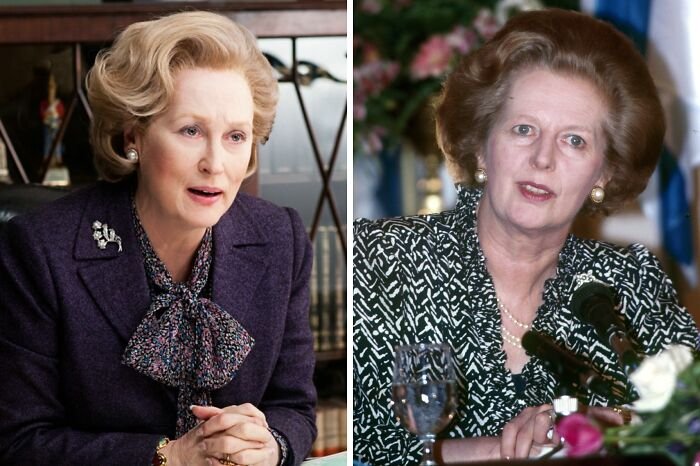
When a beloved book jumps from the page to the screen, few things ignite more passionate debate than how 'Character Portrayals: Actors' Performances vs. Book Accuracy' stacks up. It’s a fascinating tightrope walk, often misunderstood, that pits the raw power of an actor's craft against the sacred text of the source material. How do filmmakers and performers strike that elusive balance, and what does "accuracy" truly mean in the realm of adaptation?
This isn't just about whether an actor's hair color matches the description or if they deliver every single line exactly as written. It's a much deeper dive into the soul of a character, the nuances of storytelling across different mediums, and the transformative power of a performance. You might think it's a simple matter of getting it "right," but the truth is far more complex, layered with artistic interpretation, technical constraints, and the very magic of acting itself.
At a Glance: Navigating Character Portrayals on Screen
- "Book Accuracy" is Fluid: It's rarely about exact physical replication, but rather capturing the essence and spirit of a character.
- Actors Don't Just Mimic: They interpret, embody, and often add dimensions to a character through their unique performance.
- Medium Matters: What works in a 500-page novel won't always translate directly to a two-hour film; adaptations require creative choices.
- Collaboration is Key: A character's screen portrayal is a result of efforts from the author (if involved), screenwriter, director, and actor.
- Fan Expectations are Powerful: Pre-existing images of characters heavily influence audience reception, creating both excitement and potential friction.
- Deviations Can Be Good: Sometimes, a departure from the book enhances the character or story for the screen, while other times it falls flat.
The Unavoidable Clash: Why Screen Never Equals Page
Let's be blunt: a perfect, 1:1 translation of a book character to screen is a myth. It's not a failure; it's an inherent truth of adaptation. Books live in the theatre of your mind, shaped by your imagination, experiences, and pace. Films are a shared, curated experience, guided by a director's vision, a screenwriter's distillation, and an actor's physical and emotional presence.
Think of it like this: a novel provides a blueprint, a detailed schematic. The film, however, is the actual building, a three-dimensional structure with its own light, shadow, and atmosphere. The same fundamental design principles are at play, but the experience of walking through the finished product is inherently different from studying the plans.
Understanding the Medium Shift: Text vs. Visuals
A book can spend pages detailing a character's internal monologue, their history, their deepest fears and motivations. It can describe a subtle shift in their demeanor that hints at a hidden sorrow. On screen, these elements must be conveyed efficiently, often wordlessly, through visual cues, body language, and vocal inflections.
A character's entire internal struggle might be represented by a single, lingering shot of an actor's face, a sigh, or the way they hold their hands. This necessitates a fundamental reinterpretation of how character is expressed. What was exposition in text becomes subtext on screen, requiring actors to communicate volumes without uttering a single word.
The Actor's Instrument: Beyond Just Looks
When we talk about an actor's performance, we're discussing far more than just their physical resemblance to a character. It's about their ability to project personality, emotion, and motive. Research by scientists studying acting, such as the "Acting in Action: Prosodic Analysis of Character Portrayal During Acting" study published on Researchgate, highlights how professional actors meticulously manipulate vocal and gestural features—pitch, loudness, timbre, duration, and timing—to embody specific personality traits like assertiveness and cooperativeness.
This scientific insight underscores that an actor isn't just "playing pretend." They are highly skilled communicators, using every facet of their being to bring a character to life. They inhabit the emotional landscape, allowing us to see, feel, and understand the character in ways a mere description can't convey. This is the heart of why a great performance can often transcend minor physical discrepancies.
Decoding "Book Accuracy": More Than Meets the Eye
What do people really mean when they demand "book accuracy"? It's a term loaded with personal interpretation and often misunderstood. It's rarely about measuring an actor against a precise physical description checklist, though physical traits can certainly be part of the conversation.
Physicality vs. Essence: What Truly Matters?
Let's take a common example: hair color. If a character is described as having fiery red hair, and the actor cast has brown, some fans might immediately cry foul. Yet, if that brown-haired actor perfectly captures the character's spirit—their stubbornness, their wit, their passion—does the hair color truly diminish the portrayal? Often, the essence of the character—their core personality, their moral compass, their emotional journey—is far more crucial than surface-level details.
Consider complex figures. A character might be physically strong but emotionally fragile, or outwardly charming but inwardly manipulative. An actor's job is to layer these contradictions, to make the internal external, and to convince us of the character's truth, regardless of how closely they might match a single line describing their height or eye color. The best portrayals are those that make you feel like you know the character, regardless of how they look.
The Author's Intent vs. Reader's Interpretation
Another layer of complexity is the interplay between the author's original intent and the myriad interpretations readers have formed. Once a book is released, readers create their own vivid mental images of characters. These images, deeply personal and cherished, become the benchmark against which screen portrayals are often measured.
A filmmaker's goal isn't always to replicate your specific mental image, but to deliver a compelling visual story that captures the author's broader themes and character arcs. This is often where the disconnect happens, as the shared, singular vision of the screen clashes with the thousands of unique, individual visions held by readers.
The Actor's Canvas: Crafting a Performance
An actor doesn't just step into a role; they sculpt it. They bring their unique perspective, talent, and life experience to bear, often creating something fresh and memorable even within the confines of established source material.
Embodying the Spirit: The Art of Interpretation
A truly great performance goes beyond imitation. It's an act of profound empathy and understanding. An actor immerses themselves in the character's world, their motivations, their flaws, and their strengths. They then translate that internal landscape into outward expressions—a particular gait, a nervous habit, a way of speaking that reveals more than words ever could. This is where the magic happens, where a written character gains a pulse and breath.
This process involves countless hours of research, rehearsal, and collaboration. The actor works with the director to refine gestures, experiment with vocal tones, and explore the emotional beats of each scene. It's a dynamic, evolving process that seeks to find the most authentic way to represent the character's spirit, often informed by the source material but never enslaved by it.
Bringing New Nuances: When Actors Elevate a Character
Sometimes, an actor's performance not only honors the book but elevates the character, bringing out nuances or dimensions that even readers might have overlooked. They might find a vulnerability in a seemingly stoic figure or an unexpected strength in a timid one. This isn't about rewriting the character; it's about adding depth through performance, making them more human and relatable.
These "elevated" portrayals often become iconic, shaping how future readers imagine the character. It's a testament to the transformative power of acting, proving that a character is not just what's written, but also what's performed.
Casting Choices: The First Layer of Interpretation
Before an actor even speaks a line, the casting director and filmmakers make a crucial interpretive choice: who embodies this character? Casting isn't just about finding someone who looks the part; it's about finding an actor who possesses the raw talent, emotional range, and often, a certain intangible quality that aligns with the character's core.
Think about the process of casting a major film, such as the Cast of Sea of Monsters. The choices made there were undoubtedly influenced by a blend of physical suitability, established talent, and the specific vision the director and producers had for their cinematic universe. Sometimes, a non-traditional casting choice can initially shock fans but ultimately prove to be brilliant, unlocking a new understanding of the character that wouldn't have been possible with a more "accurate" physical match. This initial choice sets the stage for all subsequent performance decisions.
The Director's Vision and Screenwriter's Pen: Guiding the Portrayal
Beyond the actor, two other critical forces shape character portrayals: the screenwriter and the director. They are the architects of the adaptation, making fundamental decisions that ripple through every aspect of the final product.
Adapting for Pacing and Plot
A book has the luxury of time. A film does not. Screenwriters must distill hundreds of pages into a cohesive narrative that typically runs between 90 and 180 minutes. This often means consolidating characters, merging subplots, or even changing plot points to maintain momentum and clarity on screen.
These narrative shifts inevitably impact character. A character who had a long, drawn-out internal conflict in the book might have it expedited or externalized in the film. Their actions, dialogues, and relationships might be streamlined to serve the overarching cinematic plot. While this might diverge from the book, it's often a necessity for effective storytelling in the new medium. The challenges in adapting beloved novels are immense, requiring a delicate balance between fidelity and creative reinvention.
The Necessity of Condensation and Expansion
Sometimes, a character's backstory or development needs to be condensed for pacing. Other times, a minor character might be expanded to fulfill a narrative role that didn't exist in the book but is crucial for the film's structure. Similarly, internal monologues, a hallmark of many novels, are often converted into visual storytelling or external dialogue, changing the way a character's thoughts and feelings are presented. This transformation requires screenwriters to make bold, often controversial, choices.
When Deviations Work (and When They Don't): Case Studies & Principles
Not all changes are created equal. Some deviations from the source material enhance the character and the story, while others alienate audiences and betray the original intent.
Adding Depth: The Power of Subtlety
A common positive deviation occurs when a film adds subtle layers to a character that weren't explicitly stated but were implied in the book. Perhaps a character's quiet strength is emphasized through a new scene, or their hidden kindness is revealed through an unexpected interaction. These additions don't alter the character's core but enrich their portrayal, making them more compelling and memorable. A director's unique take, often shaped by the collaborative process between director and actor, can bring such subtleties to the forefront, making a character feel even more real.
Modernizing Archetypes: Reimagining for New Audiences
Sometimes, particularly with older source material, characters need to be updated to resonate with a contemporary audience. This doesn't mean changing their fundamental nature but perhaps adjusting their social interactions, their language, or their immediate concerns to reflect modern sensibilities. For instance, a female character who was revolutionary for her time might need subtle adjustments to maintain that same sense of progressive spirit in a current context, without losing her historical essence. Exploring how character archetypes are translated to film often reveals fascinating insights into how these figures are updated.
The Peril of Misinterpretation: When It Falls Flat
Conversely, deviations can fail spectacularly when they fundamentally misunderstand or betray a character's core identity. If a character known for their unwavering morality suddenly acts selfishly without compelling justification, or if a witty, intelligent character is reduced to a bumbling idiot for comedic effect, it can feel like a betrayal of the source material. These misinterpretations often stem from a lack of respect for the original text or a misguided attempt to force a character into a narrative role they were never meant to fill. The ensuing negative fan reception to major character changes can sometimes overshadow an otherwise well-made adaptation.
Navigating Fan Expectations: A Tightrope Walk
No discussion of character portrayal is complete without acknowledging the immense weight of fan expectations. For many, characters from beloved books are like old friends, deeply ingrained in their personal mythology.
The Power of Pre-Existing Images
When a popular book is adapted, millions of readers arrive with pre-existing, often highly detailed, mental images of its characters. This isn't just about physical appearance; it's about voice, mannerisms, emotional responses, and even internal thoughts they've imagined. These images are powerful and deeply personal.
When a film or TV show presents a different vision, it can feel jarring, even sacrilegious, to those who have lived with the characters for years. Filmmakers are constantly aware of this, walking a fine line between honoring these expectations and exercising their own creative license to tell a compelling visual story.
Finding Common Ground: Communication is Key
For adaptations to succeed, filmmakers often aim for a 'spiritual' accuracy rather than a literal one. This means capturing the feeling of the character, their core motivations, and their impact on the story, even if the superficial details differ. Open communication from the creative team, explaining their choices and their respect for the source material, can go a long way in preparing audiences for necessary changes. Ultimately, the goal is not to clone the book but to create a companion piece that evokes the same emotional resonance.
The Balance Point: Achieving Authentic Portrayals
So, what's the secret to getting character portrayals right when translating from page to screen? It's less about a rigid formula and more about a mindful, collaborative approach focused on authentic interpretation.
Prioritizing Core Traits
The most successful adaptations identify and prioritize a character's core traits. What are their non-negotiable characteristics? Their defining flaws? Their driving desires? If these foundational elements are captured and conveyed by the actor, supported by the script and direction, then minor deviations in appearance or even small plot changes become far less impactful. This often requires scriptwriting techniques for building character depth that zero in on these essentials.
Collaborative Creation: Author, Screenwriter, Director, Actor
An authentic character portrayal on screen is a true alchemy of collaboration. It begins with the author's original vision. The screenwriter then translates that vision into a dramatic structure, making judicious choices about what to keep, cut, or alter. The director provides the overarching artistic guidance, shaping performances and visual language. And finally, the actor brings the character to life, imbuing them with breath, voice, and emotion. When all these elements align, guided by a shared understanding and respect for the source material's essence, truly iconic portrayals emerge.
Common Questions About Character Portrayals
"Does an actor have to look exactly like the book description?"
No, not necessarily. While physical resemblance can be a bonus, it's often secondary to an actor's ability to capture the essence and spirit of a character. A slight departure in appearance that allows for a phenomenal, emotionally truthful performance is almost always preferred over perfect physical accuracy with a weaker performance. Filmmakers prioritize talent, emotional range, and the actor's ability to convey the character's internal world.
"Can an actor truly become the character?"
Actors strive for this level of embodiment, often through deep research, method acting techniques, and psychological immersion. While they don't literally become the character, the goal is to inhabit their motivations, thought patterns, and emotional responses so completely that the performance feels entirely authentic. As the Researchgate study on acting shows, actors manipulate subtle vocal and gestural cues to project distinct personality traits, effectively "becoming" the character for the audience within the performance.
"Who has final say on character portrayal?"
Ultimately, the director holds the primary artistic vision and makes final decisions on how a character is portrayed on screen, often in close collaboration with the lead actor and screenwriter. While the original author may be consulted or even involved as an executive producer, the cinematic adaptation is a distinct artistic work, and its creative direction rests with the film's primary creatives.
Your Guide to Appreciating Adaptations
The next time you settle in to watch a book adaptation, approach it with an open mind. Instead of starting with a checklist of "what's different," ask yourself:
- Does the actor capture the character's core spirit? Do they make you feel for the character in the same way the book did, even if some details are different?
- Does the adaptation's interpretation enhance or clarify anything about the character? Did the actor or director bring a new, valuable perspective to an aspect of the character you hadn't considered?
- Is the deviation serving a larger narrative purpose for the screen? Are changes made out of necessity for the medium, rather than arbitrary choices?
Understanding the intricate dance between book accuracy and an actor's performance allows for a richer appreciation of both the source material and the art of adaptation. It moves beyond a simple comparison to celebrate the unique strengths each medium brings to the timeless craft of storytelling. Embrace the interpretation, and you might just discover a new favorite version of a character you thought you knew inside and out.